Evergrande Founder Admits Fraud as China’s Property Crisis Deepens
恒大创办人认罪中国房地产危机持续加剧
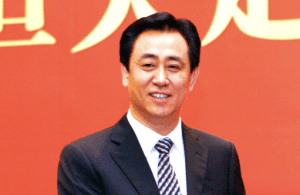
The founder of China’s once-dominant property developer Evergrande Group has pleaded guilty to multiple criminal charges, marking a significant moment in the country’s ongoing real estate crisis. Xu Jiayin, 67, admitted to offenses including fraud and bribery during a court hearing in Shenzhen, according to an official statement. He also expressed remorse, though authorities did not provide further details on his testimony.
中国曾经最大的房地产开发商之一——恒大集团创办人许家印,近日在深圳法院承认多项刑事指控,成为中国房地产危机中的重要事件。67岁的许家印在庭上对诈骗与行贿等罪名表示认罪并表达悔意,但官方未透露更多细节。
Evergrande’s dramatic collapse follows years of rapid growth fueled by China’s urbanization boom and rising living standards. Once valued at over US$50 billion after its 2009 Hong Kong listing, the company expanded aggressively using borrowed capital. However, in 2020, Beijing introduced strict regulations to curb excessive borrowing in the property sector. These measures sharply limited Evergrande’s access to credit, triggering a liquidity crisis.
恒大的崛起源于中国快速城市化与生活水平提升,并于2009年在香港上市,市值一度超过500亿美元。然而,其高度依赖借贷扩张的模式在2020年遭遇政策转折。中国政府当年推出严格措施限制房企过度举债,导致恒大资金链迅速恶化。
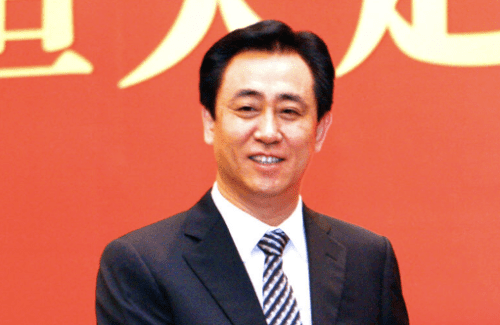
By 2021, Evergrande defaulted on its debt obligations, sending shockwaves through China’s financial system and global markets. Xu himself came under investigation in 2023 and was detained by authorities on suspicion of criminal activities. In January 2024, a Hong Kong court ordered the company’s liquidation after it failed to present a viable debt restructuring plan. It was subsequently delisted from the Hong Kong Stock Exchange in August.
2021年,恒大无法偿还债务并爆发违约危机,引发金融市场震荡。许家印于2023年被调查并遭拘留。2024年1月,香港法院下令对恒大进行清盘,因其未能提出可行的债务重组方案,并于同年8月从港交所退市。
The Evergrande crisis is part of a broader downturn affecting major Chinese developers, including Country Garden and Vanke. The sector’s instability has raised concerns about the overall health of China’s economy, the world’s second largest. Declining home prices—falling for nearly three years—have weakened consumer confidence and complicated government efforts to shift toward a consumption-driven growth model.
恒大的问题并非个案,碧桂园与万科等大型房企同样面临压力。整体房地产市场低迷,房价已连续近三年下跌,削弱消费者信心,也使中国推动内需导向经济转型更加困难。